
Understanding the psychology of risk What drives gamblers’ decisions
Understanding the psychology of risk What drives gamblers’ decisions
The Allure of Risk and Reward
The psychology of risk in gambling is deeply intertwined with the concepts of reward and uncertainty. Gamblers are often drawn to the thrill of potential winnings, which can create a powerful emotional response. This allure is rooted in the brain’s reward system, where the anticipation of a jackpot can trigger the release of dopamine, providing a feeling of pleasure and excitement. Additionally, many enthusiasts explore this world through platforms like jet4betcasinos.com, where the availability of various games can amplify their experiences. This neurological reaction often leads individuals to make decisions that prioritize short-term gratification over long-term consequences.
Cognitive Biases and Decision Making
Cognitive biases significantly influence gamblers’ decision-making processes. One prevalent bias is the “gambler’s fallacy,” where individuals believe that past outcomes influence future results. For example, if a player observes a series of losses, they may feel that a win is due, prompting them to continue betting. This misconception can lead to significant financial losses, as gamblers neglect the inherent randomness of games of chance.
Another cognitive distortion is “confirmation bias,” where individuals focus on successes while ignoring failures. This can create an inflated sense of skill and control over outcomes. By selectively remembering wins and downplaying losses, gamblers may rationalize their behavior, further entrenching their commitment to gambling despite negative consequences.
Emotional Drivers Behind Gambling
Emotions play a critical role in the decision-making processes of gamblers. Many individuals use gambling as a coping mechanism to deal with stress, anxiety, or depression. The temporary escape from reality that gambling provides can become a double-edged sword, where individuals find themselves increasingly reliant on this activity to manage their emotions. This reliance can lead to addictive behaviors and a cycle of chasing losses.
Moreover, the social aspect of gambling can enhance its appeal. Many people gamble in groups, where the collective excitement can amplify individual decisions. This social reinforcement often leads to a shared sense of victory or defeat, influencing participants to continue engaging in gambling activities even when they recognize the risks involved.
The Impact of Environment and Accessibility
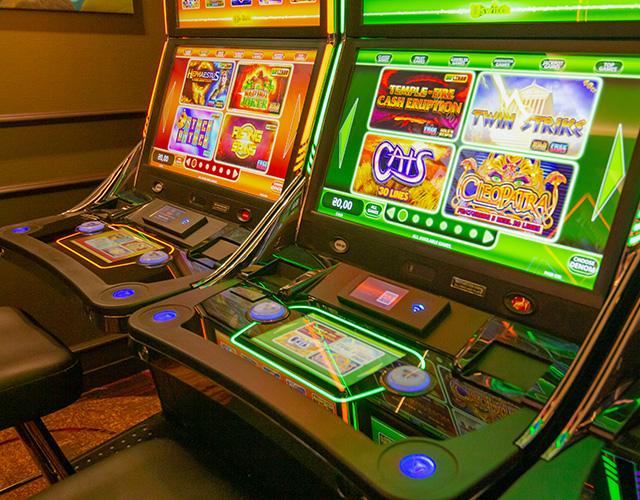
The environment in which gambling occurs can significantly affect an individual’s behavior. Casinos and online gambling platforms are designed to maximize engagement and minimize distractions. The use of bright lights, sounds, and strategic layouts creates an immersive experience that can easily draw people in, leading them to gamble more than they planned.
Accessibility also plays a crucial role in gambling behavior. With the rise of online gambling, individuals can easily access games from the comfort of their homes. This convenience can lead to impulsive decisions and increased spending, as the barriers to entry are low. As such, understanding the impact of environment and accessibility is essential for fostering awareness of gambling risks and promoting responsible behaviors.

About Us
Our website is dedicated to raising awareness about the psychology of gambling and its associated risks. We provide resources and insights to help individuals understand their motivations and make informed decisions about their gambling activities. By fostering a deeper understanding of the psychological factors at play, we aim to support those affected by gambling addiction and promote responsible gaming practices.
In addition to informative articles, we offer tools and support for individuals seeking to better manage their gambling behaviors. Whether you are looking to understand the emotional drivers behind your decisions or seeking guidance on responsible gambling, our platform is here to help you navigate the complexities of gambling psychology.
“`