
Understanding the psychology behind gambling What drives the thrill
Understanding the psychology behind gambling What drives the thrill
The Allure of Risk
The thrill of gambling often stems from the inherent risk involved. Humans are naturally drawn to situations that challenge their limits, and gambling provides just that. The unpredictability of outcomes, whether it’s rolling dice or spinning a roulette wheel, adds an adrenaline rush that many find irresistible. This desire for excitement can lead individuals to take risks they might normally avoid in everyday life. For those interested in exploring this further, finding an online casino canada could be a tempting option.
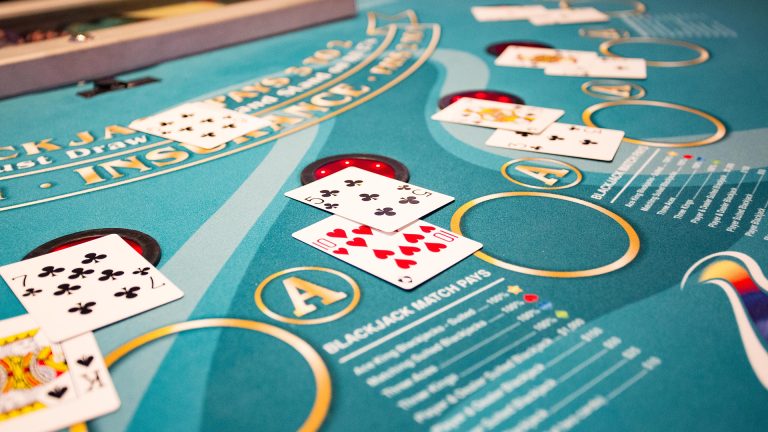
This fascination with risk-taking is deeply rooted in our psychology. The anticipation of winning, combined with the fear of loss, creates a rollercoaster of emotions that keeps players coming back for more. Each bet becomes a gamble not just with money, but with the opportunity to experience a fleeting moment of euphoria.
The Role of Reward Systems
Neuroscience reveals that gambling activates the brain’s reward system in a manner similar to addictive substances. When a player wins, the brain releases dopamine, a neurotransmitter associated with pleasure. This chemical response reinforces the behavior, creating a desire to gamble again in hopes of repeating that euphoric feeling. Over time, this can lead to a cycle where the individual increasingly chases the high of a win, often at the expense of their financial stability.
The intermittent nature of wins in gambling plays a significant role in maintaining this cycle. Unlike other activities where rewards are predictable, gambling rewards are sporadic. This unpredictability can increase excitement and lead to a “near-miss” effect, where a player feels they were close to winning, motivating them to continue playing in hopes of hitting the jackpot.
The Social Aspect of Gambling
Gambling is often a social activity that enhances its appeal. Whether at a casino or an online platform, the presence of others can amplify the excitement. Players share in the collective experience, celebrating wins and commiserating losses together. This social interaction can create a sense of community, making the gambling experience more enjoyable and less isolating.
Moreover, the influence of social dynamics can lead to competitive behavior, where individuals may gamble not only for personal gain but also to impress peers or establish a social identity. This interplay between social interaction and gambling adds layers to the thrill, as individuals navigate the complex emotional landscape of competition, camaraderie, and shared excitement.
Addiction and the Descent into Compulsion
Understanding the psychology behind gambling also involves recognizing the potential for addiction. The initial thrill may lead to compulsive gambling behavior, where individuals bet beyond their means in an attempt to recapture previous highs. This addiction can stem from various factors, including personal issues, social environments, or even mental health conditions.
As gambling becomes a way to escape reality or cope with stress, the thrill can quickly turn into a detrimental cycle. The struggle to control gambling impulses may lead to significant financial, emotional, and relational problems, making awareness and understanding of these psychological factors crucial for those involved.
Connecting with the Community
At torontosversion.com, we delve into the fascinating complexities of various topics, including gambling. We aim to provide insightful articles that not only educate but also engage our readers in meaningful discussions. Understanding the psychology behind gambling can empower individuals to make informed decisions, whether for recreational enjoyment or personal reflection.
Our mission is to connect you with the vibrant community in Toronto, offering valuable resources and updates that resonate with both residents and visitors. By exploring the psychological aspects of gambling, we hope to shed light on this intricate activity and its impact on our lives.